Jean-Eugène Robert-Houdin
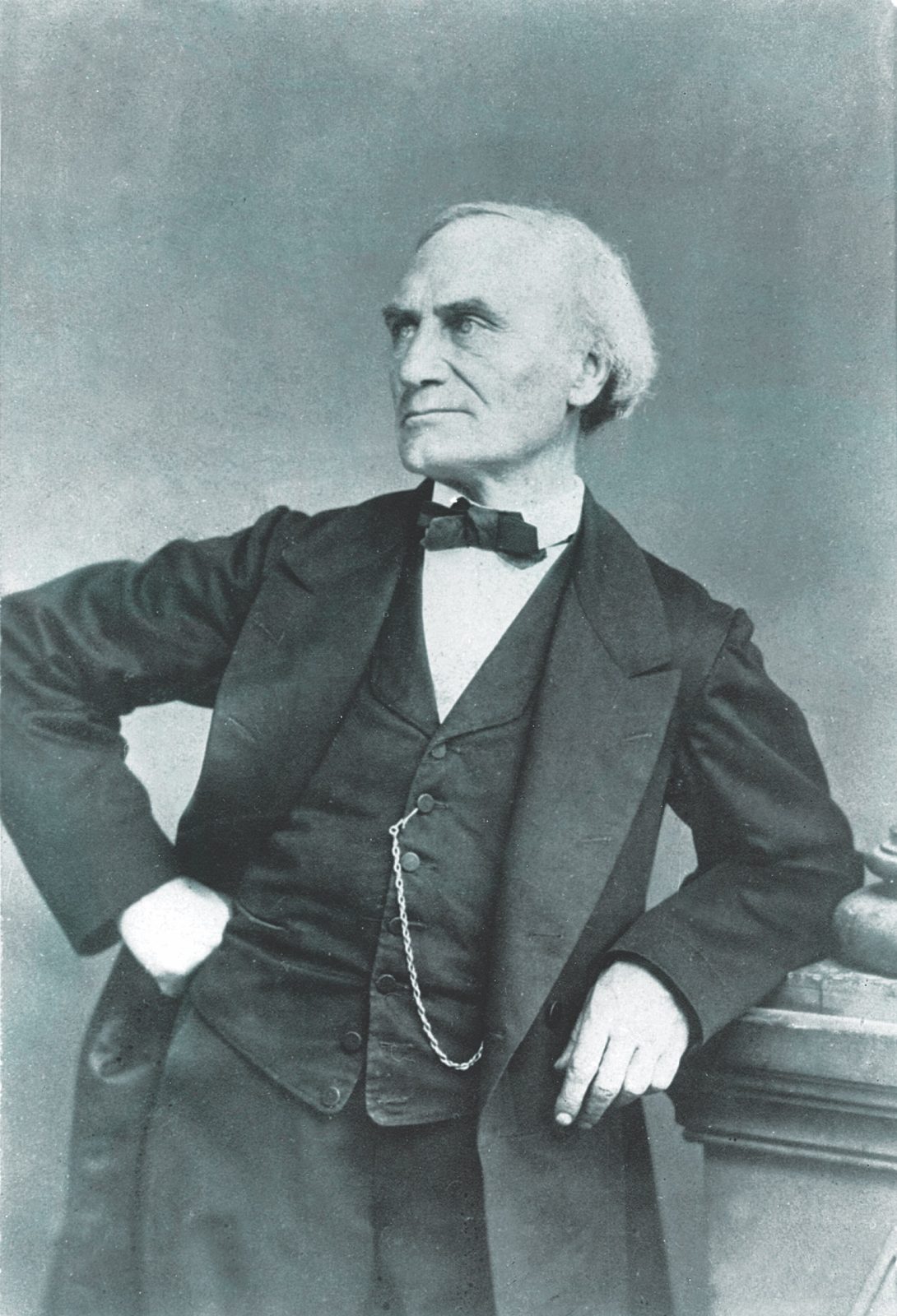
Jean-Eugène Robert-Houdin (1805-1871) was the French watchmaker, inventor and conjurer whose elegant theatre style helped shape modern magic.
Jean-Eugène Robert-Houdin was born Jean-Eugène Robert in Blois on 7 December 1805. Trained as a watchmaker, he developed a lasting fascination with precision mechanisms, optics and automata. He married Cécile Houdin in 1830 and adopted the compound name Robert-Houdin, first as a practical way to distinguish his work from other clockmakers named Robert.
His technical work became the foundation of his magic. Robert-Houdin built refined automatons and mystery clocks whose workings were hidden from the audience. His drawing and writing automaton was a notable success at the 1844 National Exhibition. Rather than present himself as a supernatural wonder-worker, he brought the image of the accomplished gentleman to the stage: evening dress, calm conversation and effects framed as demonstrations of skill, science and imagination.
On 3 July 1845 he opened his Soirées fantastiques at the Palais-Royal in Paris. The programme mixed sleight of hand, mechanical marvels and theatrical illusion. Later he wrote influential memoirs and technical books, leaving detailed accounts of his craft and of the period in which it developed. His legacy is not simply a catalogue of tricks; it is the idea that magic can be intelligent, elegant and dramatically structured.
Robert-Houdin’s influence reached far beyond France. His theatre later passed to Georges Méliès, linking conjuring to the birth of cinema. The young Ehrich Weiss adopted the stage name Houdini after reading Robert-Houdin’s autobiography, although Houdini later criticised parts of it. Today Robert-Houdin remains a central figure in the transition from fairground display to the modern theatrical magician.